
“There Was Once a Golf Course in the Heart of Downtown Seoul?” The Beginning of 100 Years of Korean Golf
Today, Korean golf has grown into an industry equipped with world-class courses, services, and infrastructure. Golf courses across the country have established themselves as multifunctional spaces that go beyond sport to encompass leisure, culture, and tourism.
But do you know where Korea’s golf courses got their start? Surprisingly, the starting point lies in what is now downtown Seoul, in the Hyochang Park area of Yongsan-gu. The Hyochangwon Golf Course, built in 1921, marks the official first scene of Korea’s golf infrastructure.
When Did Golf First Arrive in Korea?
Golf is believed to have first reached Korea in the late 19th century, near the open ports of Wonsan, Busan, and Incheon. Memoirs survive recording that British customs officials and missionaries of the time created simple six-hole courses where they enjoyed golf.
This account was passed down through a contributed article titled “A Brief History of Joseon Golf,” published in a Japanese golf monthly in 1940. In it, Taneo Takahata, a Japanese member of the Keijo Golf Club, introduced the recollection that “around 1900, foreigners built a six-hole golf course within the grounds of the Wonsan customs office.” However, it is difficult to conclude on the basis of this record alone that the Wonsan course was Korea’s first golf course. Takahata himself drew a line, noting that it was closer to an undocumented reminiscence.
Korea’s First Modern Golf Course: Hyochangwon Golf Course
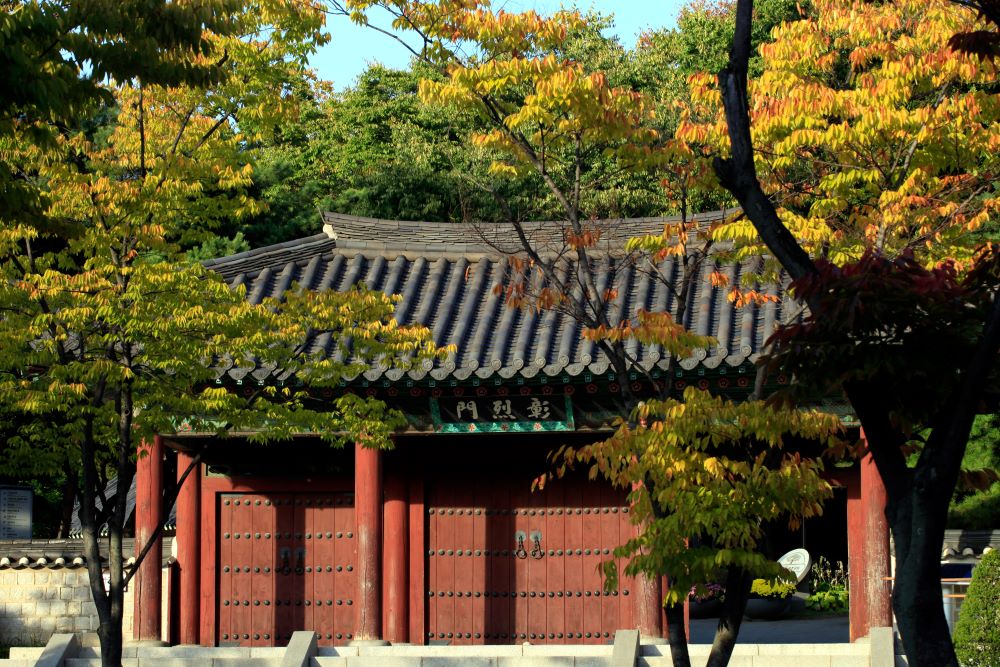
The official starting point of Korea’s golf courses is the Hyochangwon Golf Course, built in 1921 in the Hyochangwon area of Yongsan-gu, Seoul. Built on a nine-hole scale, it is known as the first case in which the designer, the operating body, and the course layout were all documented with relative clarity.
The Hyochangwon Golf Course was operated with the involvement of the Railway Bureau of the Japanese Government-General of Korea and the Chosun Hotel, and it was planned as a leisure facility to attract foreign tourists as well as a recreational space for the urban upper class. The course design involved the British amateur golfer H.E. Dannt, who recorded in a memoir published in 1923 that it was no easy task to create a nine-hole course at Hyochangwon, a site dense with pine forests and scattered with graves. This shows that the Hyochangwon Golf Course was not a simple course that arose naturally, but Korea’s first modern golf course, deliberately designed and constructed.
The Closure of Hyochangwon and the Birth of the Keijo Golf Club
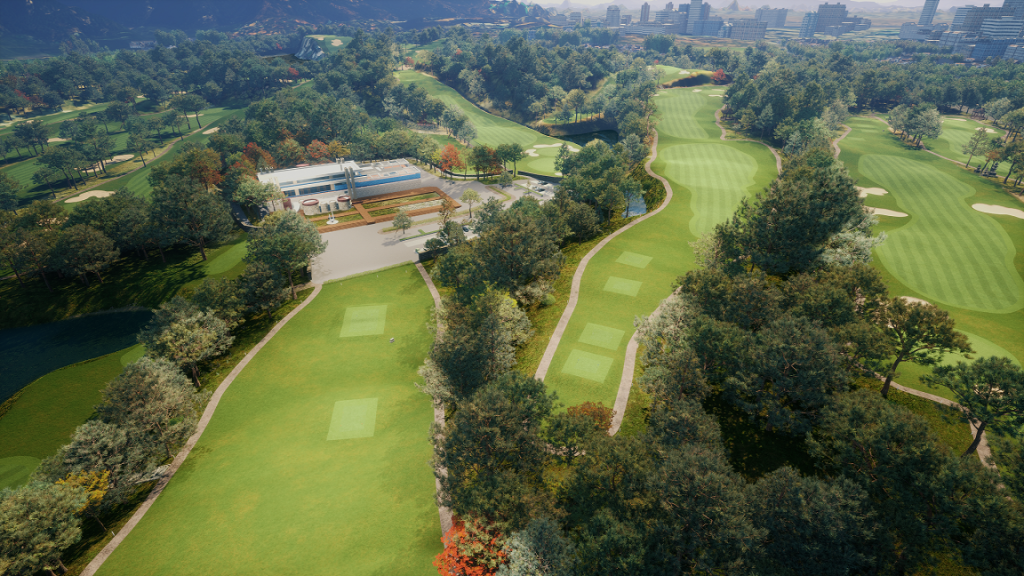
The Hyochangwon Golf Course closed in 1924 in line with plans to develop a park on the site. Although its period of operation was not long, this flow led directly into the next scene of Korean golf.
That same year, with the establishment of the Keijo Golf Club, an 18-hole course was built in the Cheongnyangni and Gunjari areas. It was later expanded with the Ttukseom course, ushering in a full-fledged era of golf courses in Seoul. The Hyochangwon Golf Course was thus not merely a nine-hole course, but the starting point of 100 years of Korean golf infrastructure that runs through the Keijo Golf Club to Ttukseom.
Through this process, golf gradually began to expand from a leisure activity for a handful of foreigners and the upper class into a city-based sporting culture.
100 Years of Korean Golf That Began at Hyochangwon, Still Continuing Today
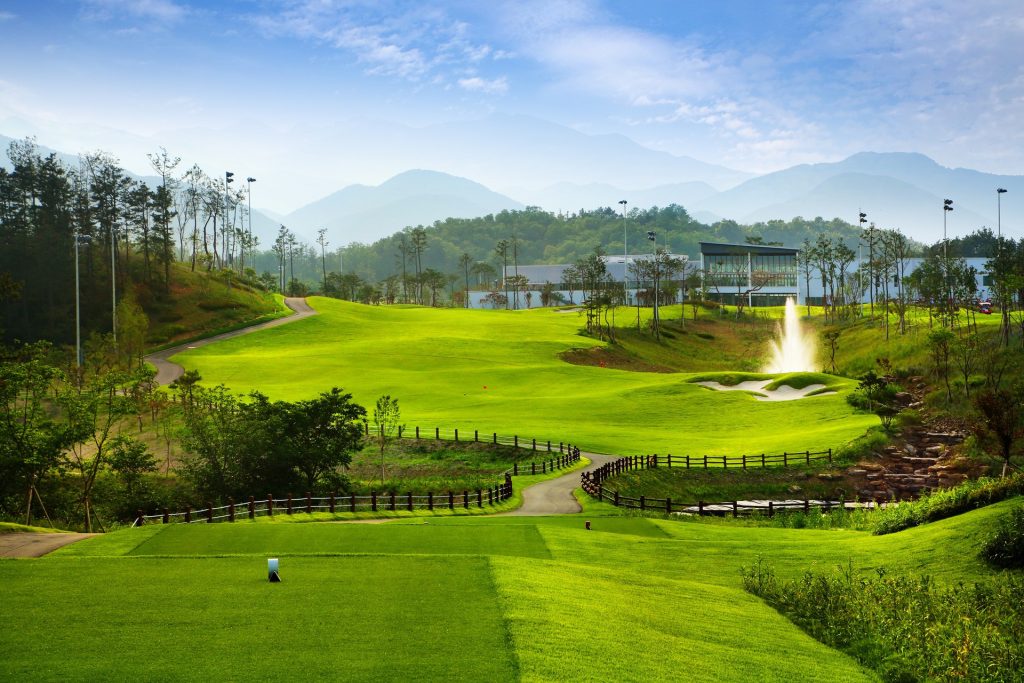
Beginning more than 100 years ago at a small nine-hole course in downtown Seoul, Korea’s golf courses have since expanded across the country, building today’s golf culture and industrial ecosystem. Today, golf courses are evolving beyond mere spaces for playing rounds into integrated platforms where every aspect of the golfer’s experience is tightly connected, from course operations and customer service to dining services and reservation systems.
The golf courses and services operated by GOLFZON County also stand upon this 100-year flow of Korean golf. Just like that first scene that began at Hyochangwon, GOLFZON County is creating the next scene of Korean golf so that more golfers can feel special value and experiences at the golf course.
Related content

Screen Golf: Where Digital Sport Takes Center Stage (JoongAng Ilbo Sung Ho-jun)
The 126th U.S. Open concluded on June 22 with Wyndham Clark’s victory at Shinnecock Hills Golf Club on Long Island, New York. Throughout the…

Off-Course Golf Takes Center Stage in the Global Golf Ecosystem
The number of off-course golfers is rising worldwide thanks to golf simulators Born in the 15th century on the eastern coast of Scotland, golf…
Understanding the Characteristics of Golf Course Turf and How to Tackle a Round Through ‘Cool-Season Grass’ and ‘Korean Grass’
Know your turf, and your score will change “What exactly is cool-season grass?”“Why does the fairway turn yellow in winter?”Even golfers who hit the…